
A Lifetime of Care
Unpaid domestic labour is not an isolated daily task—it is a compounding, lifelong inequality. Follow Amrita's journey alongside global evidence and firsthand field case studies to see how The Divya Washing Machine breaks this cycle at every life stage.
"From the moment I was born, care shaped my world. But caring for everyone else always comes at a cost. My name is Amrita. My story is my own, but it reflects generations of women whose time, health, and opportunities are quietly put second."
Childhood
The Burden Begins Early
Domestic labour starts in childhood, competing directly with learning, play, and future potential.
"Growing up, I watched my mother care for everyone—cooking, hauling water, and washing clothes by hand. I could see how tired she was. My brother left for school each morning, but often I stayed behind to help keep the household running. Nobody had to say it out loud; I just learned early on that as a girl, this was my responsibility."
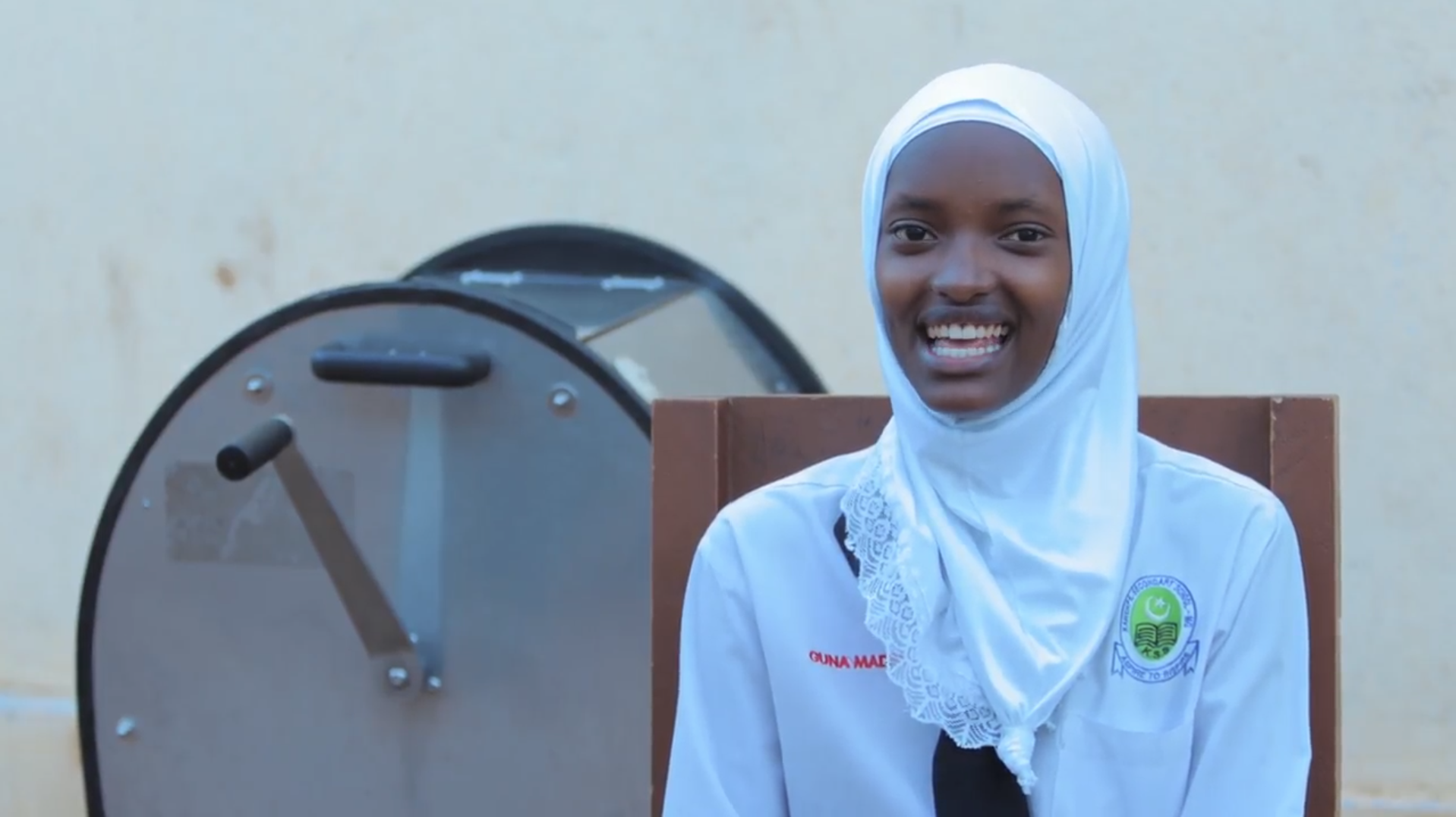
Rinah • Kawempe School, Uganda
At Kawempe School, female students spent crucial evening study hours hand-washing heavy uniforms. Deploying The Divya Washing Machine cut washing time by 80%, protecting study and revision time for girls.
Working Age
The Care Gap Becomes an Economic Gap
Unpaid care sustains families, but limits women's financial security and market independence.
"When I had my own family, the work didn’t stop. I still had to go out and earn—selling at the market or taking whatever job I could find. But my mornings started before sunrise, washing clothes by hand, and my nights were spent cleaning and minding the home. Going out to earn money didn't replace any of the work at home. It just meant doing both, every single day."

GLS • Wakiso & Kampala Districts
Global Learning for Sustainability (GLS) establishes childcare centres directly inside informal marketplaces. Pairing accessible childcare with The Divya Washing Machine returns up to 15 hours every week for women to earn and rest.
Older Years
Care Doesn't Stop With Age
Decades of heavy manual labour accumulate into severe chronic pain, right when older women need support.
"Now widowed, my children have moved away to find work. I help look after my grandchildren, but my body feels the years. Carrying water is harder now, and washing clothes takes twice as long as it used to. Even in older age, the routine doesn’t stop—I am still caring for others, just as I begin to need some support myself."

Colectivo Tomate • Ocuilapa Orphanage, Mexico
Supporting daily laundry for 50 children and 20 staff at Ocuilapa Orphanage. Operating The Divya Washing Machine from a seated position removes the kneeling, stooping, and abrasive hand scrubbing that causes joint arthritis and chronic spinal fatigue.

The Divya Washing Machine
Flat-packable • All stainless steel • In-field repairable
Fit Directly into Your Existing Programmes
If your organisation is already running programmes in schools, displacement settings, community centres, or livelihoods initiatives, The Divya Washing Machine is built to plug straight into that work. Because it's completely off-grid and manual, teams can procure and deploy machines directly into existing projects without needing new water or power infrastructure.